Anúncios
Traditions of countries show how each culture has developed unique customs throughout history in different regions of the world.
These habits reflect religion, social values, climate, and even the way people interact in their daily lives.
In this article, you will discover eight countries with very different traditions and understand how these customs deeply shape their societies.
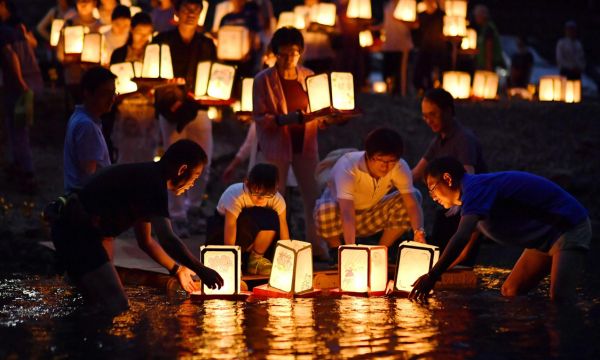
Japan
Japan is a country where tradition and modernity coexist in a very balanced way in people’s daily lives.
Anúncios
Main traditions:
- Tea ceremony with detailed rituals and a strong focus on harmony
- Social respect expressed through gestures such as bowing when greeting
- Traditional festivals such as Hanami and Matsuri in various regions
- Use of traditional clothing such as kimono on special occasions
In Japan, collective respect is very important and influences behavior in schools, workplaces, and public environments every day.
In addition, many ancient customs are still preserved, even in highly technological cities such as Tokyo and Osaka.
Japanese culture values discipline, organization, and aesthetic simplicity in many areas of social and spiritual life.
India
India is known for its enormous cultural, religious, and linguistic diversity spread across the entire country.
Main traditions:
- Holi festival, with vibrant colors thrown among people
- Diwali, the festival of lights, celebrated with illumination and prayers
- Strong family system with respect for elders
- Traditional clothing such as sari and dhoti in various regions
Spirituality is deeply present in the daily lives of the Indian population and influences decisions, habits, and important family celebrations.
Anúncios
Cuisine is also an essential part of the culture, with varied dishes and intense spices that change significantly from region to region.
In addition, India has hundreds of languages and local customs, making its culture extremely rich and diverse.
Indonesia
Indonesia is an archipelago with thousands of islands that have very different cultural traditions from one another.
Main traditions:
- Religious rituals mixing Hinduism, Buddhism, and Islam
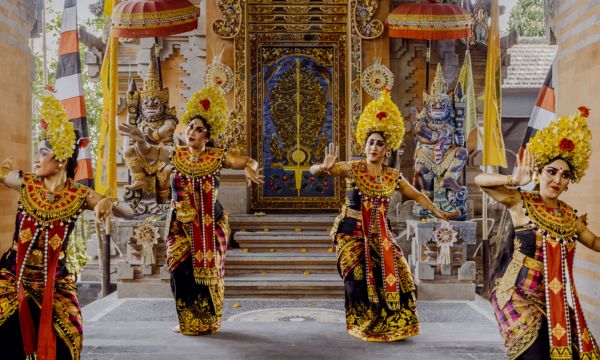
- Traditional dances performed in important local ceremonies
- Regional festivals that vary from island to island
- Strong cultural connection with nature and the sea
In Bali, for example, religious rituals are part of daily family routines and are regularly performed in local temples.
The country’s cultural diversity means that each region has its own customs, languages, and well preserved traditional celebrations.
Indonesia also deeply values social harmony and respect among different communities across its vast archipelago.
Nepal
Nepal is a country located in the Himalayas with strong spiritual influence and very ancient religious traditions.
Main traditions:
- Festivals such as Dashain and Tihar celebrated with family
- Strong presence of Hinduism and Buddhism in local culture
- Pilgrimages to temples and sacred mountains
- Community life based on cooperation among neighbors
The mountains directly influence people’s lifestyle, making nature an essential part of traditional Nepali culture.
Religious celebrations are important moments of family unity and involve rituals passed down through many generations.
Nepal maintains a strong spiritual connection with nature, especially with mountains considered sacred by the local population.
Morocco
Morocco combines Arab, Berber, and African traditions, forming a historically rich and diverse culture.
Main traditions:
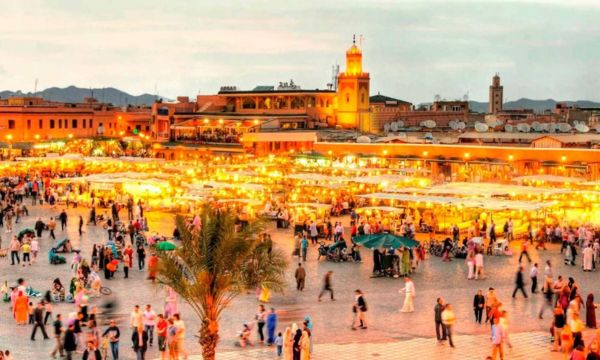
- Traditional markets called souks full of local commerce
- Daily consumption of mint tea as a symbol of hospitality
- Traditional architecture in historic cities such as Marrakech and Fez
- Use of traditional clothing such as the djellaba on various occasions
Hospitality is one of the most important values in Moroccan culture, and visitors are generally welcomed with great respect.
Souks are cultural and commercial centers where tradition and daily life blend in colorful and aromatic environments.
In addition, the country preserves strong historical influences reflected in its art, cuisine, and well preserved ancient architecture.
Ethiopia
Ethiopia is one of the oldest countries in Africa and has unique cultural and religious traditions.
Main traditions:
- A unique calendar system different from the Western calendar
- Traditional coffee ceremony performed within families
- Orthodox religious festivals with long celebrations
- Meals shared on large communal platters
The coffee ceremony is one of the most important rituals and symbolizes hospitality, respect, and unity among family members and guests.
Religion has a strong influence on daily life, with ancient churches that are part of the country’s cultural identity.
Ethiopia preserves very old traditions that help maintain its historical and cultural identity over the centuries.
Papua New Guinea
Papua New Guinea is one of the most culturally diverse countries in the world today.
Main traditions:
- Masks and body painting used in tribal rituals
- Traditional dances performed in community festivals
- Strong spiritual connection with nature and forests
- Great variety of languages spoken among different tribes
Each community has its own customs, making the country extremely diverse in cultural traditions and forms of social expression.
Traditional rituals are important for passing down stories and knowledge between generations in oral and symbolic ways within villages.
Nature plays a central role in local culture and is respected as an essential part of daily life for indigenous populations.
Saudi Arabia
Saudi Arabia is a country with strong religious influence and traditions closely linked to Islam.
Main traditions:
- Daily prayers performed at specific times
- Conservative traditional clothing in public
- Strong emphasis on family values and social honor
- Hospitality as an important cultural value
Islamic religion directly influences laws, customs, and social behavior in many aspects of daily life.
Family traditions are highly valued and often involve frequent gatherings and strong respect between older and younger generations.
Saudi culture preserves ancient customs that reflect deep religious values and a strong cultural identity maintained over time.
Conclusion
Country traditions show how diverse the world is and how it is full of unique cultures that reflect different ways of living.
Each country presented has customs shaped by its history, religion, and relationship with the environment over time.
Learning about these traditions helps broaden our understanding of the world and promotes respect among different peoples and global cultures.
This cultural diversity makes the planet richer, more interesting, and full of learning opportunities for travelers and curious minds.