Anúncios
Sometimes the best opportunity is a few blocks away. Local jobs cut commuting time, make interviews easier, and often hire faster than big corporate processes.
The trick is knowing where to look. Here’s how to combine online search with in-person strategies to find openings near you.
Why searching locally is a smart move
Proximity is quality of life. Working close to home means less time and money spent on transport and more energy for the rest of your day.
Local hiring also tends to be quicker. Shops, restaurants, markets, and clinics often need people immediately and decide after one or two conversations.
Anúncios
And competition can be smaller. Many local openings never reach the big job boards, so whoever shows up first wins.
How to search without the hassle
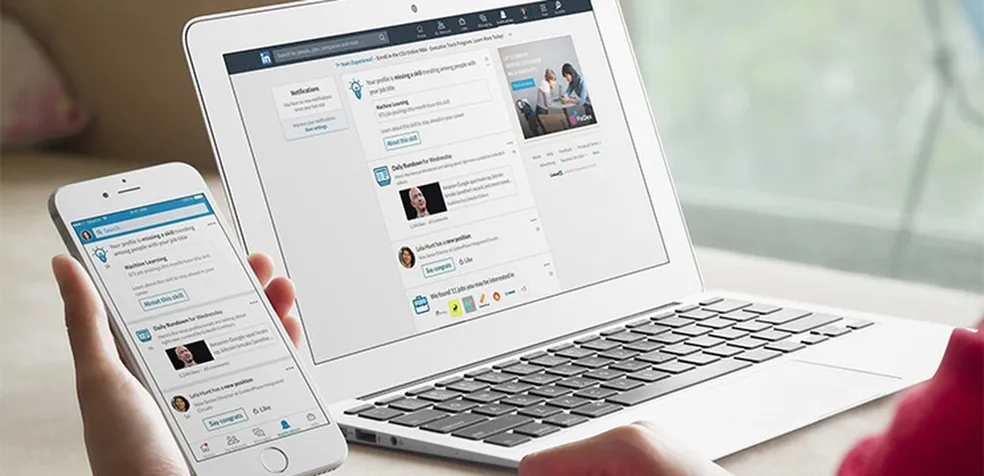
A reliable platform keeps your search secure and organized. Your data is protected, applying to multiple roles takes a few clicks, new openings in your area reach you as soon as they post, and listings are matched to your location.
Big chains hire locally all the time. See our guides on McDonald’s openings and Walmart openings.
Finding the option that fits you
Map your region first. Note the shops, restaurants, markets, and companies within an easy commute and check which ones are hiring.
Then match your availability. Part-time and shift-based roles are common in retail and food service, which helps students and people combining jobs.
Anúncios
The best ways to find local openings
The channels that work and how to use them:
- Job platforms with location filters: set your city or neighborhood and turn on alerts.
- Company career pages: chains post unit-by-unit openings on their own sites.
- Walking in with your CV: retail and restaurants still hire this way every day.
- Storefront signs: “We’re hiring” posters remain a real source of jobs.
- Networking: telling friends, family, and neighbors you’re looking spreads fast.
- Local social media groups: neighborhood groups post openings before anywhere else.
Small steps that boost your chances
Keep a printed CV ready and dress presentably when visiting businesses. First impressions count double in local hiring.
Go at calm hours, ask for the manager, and be direct about what you’re looking for. Follow up a few days later if you haven’t heard back.
Prefer not to leave home? See our list of remote jobs you can do from home and where to find them.availability and CV ready to go, and follow up politely on in-person applications. A friendly, reliable impression goes a long way for local roles, where employers often value attitude and consistency as much as experience.